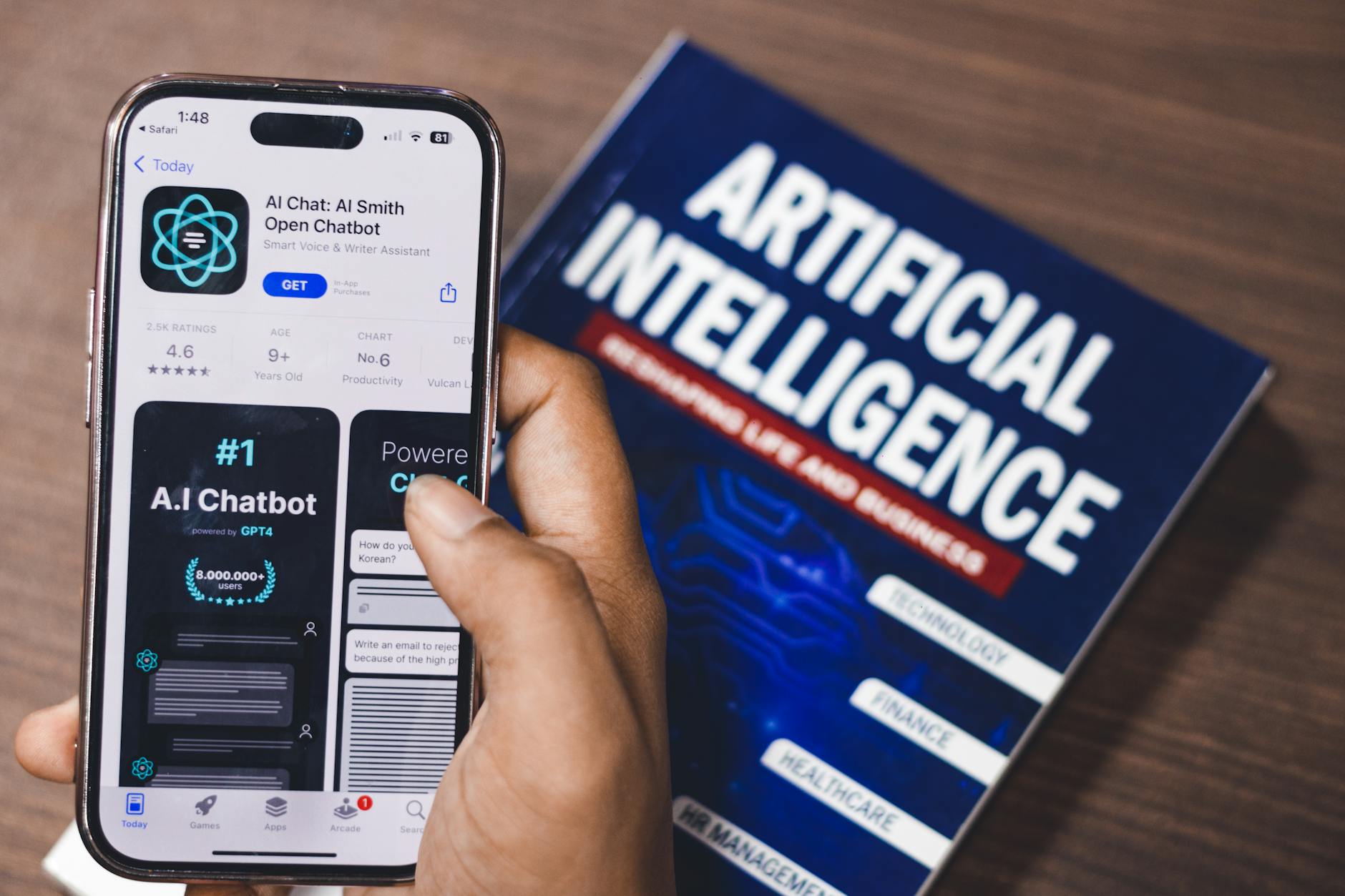
So we must understand one fancy term, “AI,” which stands for artificial intelligence. If I say this is the hottest topic ever and has a large impact on the world and industries, I wouldn’t be exaggerating. AI is not only about chatbots these days. In 2025, it is evolving to a point where it can think, solve problems, and suggest better ways to enhance work efficiency, creativity, and solutions.
But what does this look like in real people’s lives? Let’s look at five strong AI trends expected to make a massive impact in 2023.
1. The Rise of AI Agents
And this is not just a prediction but a promise—AI agents will turn the tide on the game in 2025.
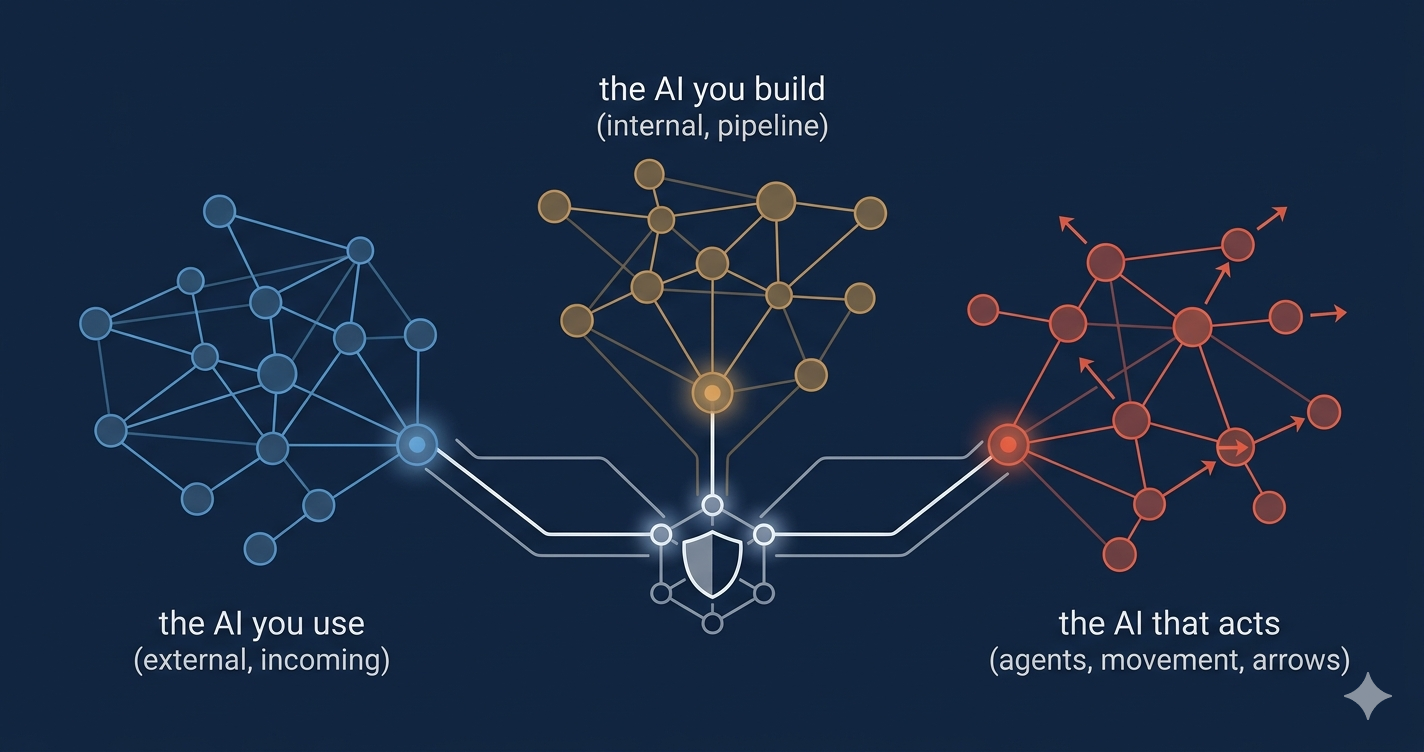
These systems will not just recommend things; they will act on your behalf. We’re not referring to a trivial personal assistant that organizes your finances and reservations but to AI that manages specific workflows without you being directly involved.
What This Means for You
- Imagine starting your day without spending an hour checking emails.
- Your AI assistant will already prioritize your inbox, set up meetings, and even reply based on previous responses.
- AI agents could soon be as essential as smartphones, changing how we interact with technology.
For businesses, however, the advent of AI agents marks a major shift in job functions. Having mundane tasks taken care of by AI frees up human workers to focus on creativity and problem-solving.
This doesn’t just boost productivity—it reshapes the workforce, making collaboration between humans and AI more seamless.
2. AI: The Engine Driving Scientific Breakthroughs
Behind the areas of science described in this book, there are decades or even centuries of research we can build upon—but now, AI is unlocking a new level of scientific discovery.
AI’s Role in Scientific Research
AI is, indeed, the engine of scientific exploration, a launchpad to breakthroughs in medicine, climate science, and space.
- Drug Discovery: Researchers used to spend years—sometimes decades—developing treatments, but now, companies like GSK say AI can evaluate millions of molecular structures in a fraction of the time.
- Climate Models: AI is helping scientists create more accurate weather and energy models, improving predictions and responses.
- Space Exploration: AI is analyzing vast amounts of cosmic data to help us understand the universe better.
The future of research and discovery looks brighter than ever, thanks to AI.
3. AI in Education: Personalized Learning at an Unprecedented Scale
AI is fixing some of education’s most long-standing challenges by making learning more personalized, efficient, and accessible.
Now imagine if you had an AI-powered teacher—someone who knows your weak points and gives you customized learning materials to help you improve without the stress of a classroom environment.
How AI Is Transforming Education
- AI adapts learning programs based on individual student needs.
- Language learning apps already use AI to provide instant pronunciation feedback.
- Classrooms are no longer confined to physical spaces—AI-powered remote learning is opening new opportunities.
Thanks to AI-powered learning tools, education is becoming more accessible and inclusive than ever before.
4. AI Ethics & Data Policy: The New Digital Rulebook
With the rise of AI, concerns around ethics and regulation are growing. Organizations and governments are increasingly stepping up to address ethical issues and create policies ensuring AI is used responsibly.
Why AI Regulation Matters
- AI is already being used in hiring, credit approvals, and justice systems.
- Without proper safeguards, AI can reinforce biases, leading to unfair treatment in workplaces, finance, and law enforcement.
- In 2025, expect stricter rules, greater transparency, and heavier compliance pressures for companies adopting AI.
The challenge is finding a way to ensure ethical AI development without stifling innovation.
🔍 Key Question: How do we build fair, unbiased, and effective AI?
5. AI and Content Generation: The Future of Creativity
AI is no longer just analyzing data—it’s creating.
From writing books to composing music and producing art, AI is revolutionizing how content is generated.
How AI is Reshaping Digital Creativity
- AI tools can help filmmakers create realistic visual effects.
- Songwriters can generate new melodies and lyrics with AI-powered music software.
- Marketing teams are using AI to automate content production at scale.
However, this rapid advancement raises serious copyright and ownership questions.
🔹 Who owns AI-generated content?
🔹 How should AI-generated music, art, and literature be legally protected?
These discussions will define the future of AI in the creative space.
No More Dying Industries—This is the Future—Are You Ready?
AI is no longer an abstract idea—it’s here and evolving at lightning speed.
From AI-powered personal assistants to scientific breakthroughs, AI-driven education, ethical concerns, and creative collaboration, 2025 is set to be a pivotal year for AI.
The Big Question:
➡️ How will you adapt to these changes?
✅ Will you use AI to streamline your business?
✅ Will you leverage AI for learning and development?
✅ Will AI help you enhance creativity and productivity?
Whether you’re an entrepreneur, a student, or an AI enthusiast, staying informed and adapting will be the key to success in an AI-powered world.
🚀 What AI trend excites you the most for 2025? Drop your thoughts in the comments below!
External Links:
- MIT Technology Review – AI in Science
- World Economic Forum – AI and Ethics
- Forbes – AI in Business Productivity